
In today’s digital-first environment, authentication systems and login services have become essential for managing access to applications, databases, and enterprise platforms. One such emerging system that has gained attention recently is klr login service 137.
Although the term may appear technical or even ambiguous at first glance, klr login service 137 generally refers to a structured login authentication module or system identifier used in software platforms, enterprise tools, or backend systems. It may function as:
- A secure login gateway
- A session management protocol
- A user authentication service layer
- Or a specific version (137) of a login framework
Understanding how these kinds of services work is crucial for Indian users, more specifically developers, IT admins and technology professionals. Whether you are looking at a dashboard, administrating a service or trying to understand why the login has been denied, a full understanding of klr login service 137 would highly optimize your use of such services.
Understanding the Core Concept of KLR Login Service 137
Breaking Down the Term
Let’s dissect the keyword:
- KLR – Could represent a system name, organization, or internal service label
- Login Service – Refers to authentication and access control mechanisms
- 137 – Likely indicates a version, build number, or service ID
Together, klr login service 137 can be interpreted as a specific authentication service module used within a software ecosystem.
Key Features of KLR Login Service 137
Below are the most important features typically associated with such login services:
- Secure Authentication Protocols
KLR login service 137 often incorporates advanced authentication mechanisms such as:
- Multi-factor authentication (MFA)
- Token-based login systems
- OAuth or API-based authentication
- Session Management
Efficient session tracking ensures:
- Automatic logout after inactivity
- Prevention of session hijacking
- Real-time user monitoring
- User Role Management
The system allows administrators to:
- Assign roles (admin, user, guest)
- Restrict access based on permissions
- Customize access control policies
- Scalability
Designed to handle:
- Large numbers of concurrent users
- Enterprise-level authentication needs
- Cloud-based deployments
- Error Handling and Logging
Provides detailed logs for:
- Login attempts
- Failed authentication
- Security alerts
Benefits of Using KLR Login Service 137
Improved Security
With increasing cyber threats in India, having a robust login system reduces risks like:
- Data breaches
- Unauthorized access
- Credential theft
Better User Experience
Despite its technical backend, users experience:
- Faster login processes
- Seamless navigation
- Reduced login errors
Centralized Access Control
Organizations can manage multiple systems through a single login framework.
Compliance with Data Regulations
Supports compliance with:
- Indian IT laws
- Data protection guidelines
- Industry-specific regulations
Common Use Cases in India
KLR login service 137 can be applied across multiple industries:
- Enterprise Software Systems
Used in:
- CRM platforms
- ERP systems
- HR management tools
- Government Portals
Authentication services are crucial for:
- Citizen services
- Digital identity verification
- Secure data access
- Educational Platforms
Ensures secure access for:
- Students
- Faculty
- Administrative staff
- SaaS Applications
Many cloud-based platforms rely on structured login services for:
- Subscription management
- User authentication
- API integrations
Step-by-Step Guide: How to Use KLR Login Service 137
Below is a generalized tutorial for accessing systems using this service.
1: Access the Login Portal
- Open your web browser
- Enter the system URL where klr login service 137 is hosted
2: Enter Credentials
- Input username/email
- Enter password securely
3: Complete Verification
- OTP (One-Time Password) via SMS/email
- Authenticator app verification
4: Access Dashboard
Once authenticated:
- You will be redirected to your dashboard
- Access granted based on user role
Key Features Overview
| Feature | Description | Benefit |
| Multi-Factor Authentication | Adds extra verification layer | Increased security |
| Session Management | Tracks active user sessions | Prevents unauthorized access |
| Role-Based Access | Assigns permissions to users | Better control |
| Logging System | Records login activities | Easier troubleshooting |
| Scalability | Supports large user base | Suitable for enterprises |
Technical Architecture of KLR Login Service 137
Understanding the architecture helps developers and IT professionals:
Frontend Layer
- User interface for login
- Input fields and validation
Backend Layer
- Authentication server
- Database verification
- API handling
Security Layer
- Encryption protocols (SSL/TLS)
- Token generation (JWT)
Authentication Methods Comparison
| Method | Security Level | Ease of Use | Common Use Case |
| Password-Based | Medium | Easy | Basic login systems |
| OTP-Based | High | Moderate | Banking, government portals |
| Biometric | Very High | Easy | Mobile apps, secure systems |
| Token-Based (JWT) | High | Moderate | APIs and SaaS platforms |
Common Issues with KLR Login Service 137
Even robust systems encounter issues. Below are frequent problems:
Login Failure
Reasons include:
- Incorrect credentials
- Server downtime
- Expired passwords
OTP Not Received
Possible causes:
- Network issues
- Incorrect mobile/email
- Delayed server response
Session Timeout
Occurs when:
- User is inactive
- Security policy enforces timeout
Basic Troubleshooting Steps
- Verify Credentials
Double-check username and password.
- Clear Browser Cache
Fixes loading or session issues.
- Try Different Browser
Compatibility issues may affect login.
- Check Internet Connection
Ensure stable connectivity.
Troubleshooting Guide
| Issue | Possible Cause | Solution |
| Cannot login | Wrong credentials | Reset password |
| OTP not received | Network delay | Retry or check contact details |
| Page not loading | Browser issue | Clear cache or switch browser |
| Session expired | Timeout settings | Login again |
Advanced Troubleshooting for KLR Login Service 137
While basic troubleshooting resolves most user-level issues, more complex environments—especially enterprise systems in India—may require deeper diagnostics.
- Server-Side Errors
Sometimes the issue is not on the user’s end but originates from the server hosting the klr login service 137.
Common Causes:
- Backend service downtime
- API failure or timeout
- Database connection errors
Solutions:
- Check server status dashboard (if available)
- Contact system administrator
- Review server logs for error codes
- API Authentication Failures
For developers integrating with login APIs:
Possible Issues:
- Invalid API tokens
- Expired authentication keys
- Incorrect endpoint configuration
Fix:
- Regenerate API credentials
- Ensure correct API version (137 or compatible)
- Validate request headers and payload
- Account Lockouts
Many systems automatically lock accounts after multiple failed attempts.
Resolution Steps:
- Wait for cooldown period
- Use “Forgot Password” option
- Contact support for manual unlock
- Browser Security Conflicts
Modern browsers may block scripts required for authentication.
Fix:
- Disable unnecessary extensions
- Enable cookies and JavaScript
- Add the login domain to trusted sites
Security and Privacy Considerations
Security is one of the pillars of any login service. For Indian users and given that we’re increasingly relying on digital systems to facilitate our lives, having access securely is fundamental.
Data Encryption Standards
KLR login service 137 typically employs:
- SSL/TLS encryption for data in transit
- Hashing algorithms for password storage
- Secure token systems like JWT
User Data Protection
Sensitive user data such as:
- Email IDs
- Mobile numbers
- Login credentials
are protected using encryption and access control mechanisms.
Compliance with Indian Regulations
Systems using structured login services should align with:
- IT Act, 2000
- Data protection compliance guidelines (these are developing frameworks in India).
- Industry specific compliance (e.g., banking, healthcare)
Best Security Practices for Users
To ensure safe usage:
- Use strong, unique passwords
- Enable multi-factor authentication
- Avoid logging in on public devices
- Regularly update credentials
Best Practices for Implementing KLR Login Service 137
For developers and IT teams, proper implementation is critical.
- Use Secure APIs
Ensure all authentication APIs are:
- HTTPS-enabled
- Token-secured
- Rate-limited
- Implement Role-Based Access Control (RBAC)
Assign permissions carefully:
- Admin → Full access
- User → Limited access
- Guest → Minimal access
- Regular Security Audits
Conduct:
- Penetration testing
- Vulnerability scans
- Log monitoring
- Optimize for Performance
- Use caching mechanisms
- Reduce authentication latency
- Optimize database queries
Real-World Example of Usage
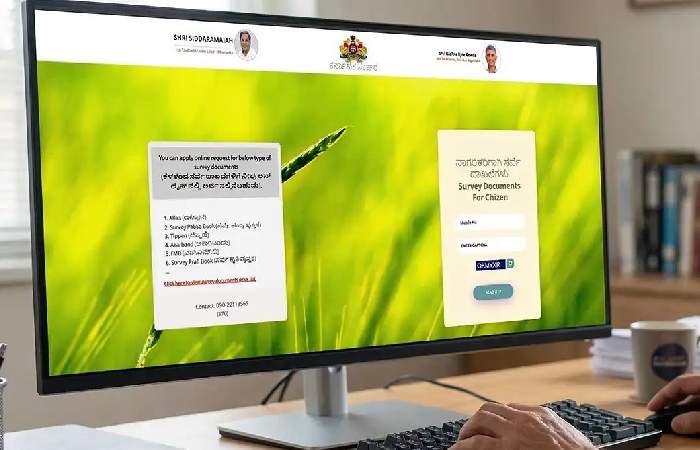
Consider a SaaS company in India managing customer data. (cisa)
Scenario:
- Employees access a dashboard via klr login service 137
- Each user has role-based permissions
- Multi-factor authentication ensures secure login
Outcome:
- Improved data security
- Efficient user management
- Reduced risk of unauthorized access
Frequently Asked Questions (FAQs)
- What exactly is klr login service 137?
It is a structured login authentication system or module used for secure access to digital platforms.
- Is klr login service 137 safe to use?
Yes, provided implementation follows appropriate security measures, authentication protocols, and encryption.
- Why am I unable to log in?
Common reasons include:
- Incorrect credentials
- Server issues
- Expired session
- Can it be used for mobile apps?
Yes. Such login services are intended for both mobile and web application integration.
- Does it support multi factor authentication?
The newer forms of such login services do support multi-factor authentication.
- How to recover my password?
Use the lost password feature it should then lead you through authenticating, via an OTP or via email.
Future Scope of Login Services in India
India’s digital economy has many initiatives to guide the country’s development including:
- Digital India
- Growth of SaaS startups
- Increasing cybersecurity awareness
This creates demand for advanced login systems like klr login service 137.
Emerging Trends:
- Passwordless authentication
- Biometric login systems
- AI-based threat detection (cloudflare)
Comparison with Other Login Systems
| Feature | KLR Login Service 137 | Traditional Login Systems | Modern OAuth Systems |
| Security Level | High | Medium | Very High |
| Scalability | High | Low | High |
| API Integration | Yes | Limited | Extensive |
| Multi-Factor Support | Yes | Rare | Standard |
| Cloud Compatibility | Yes | Limited | Yes |
Key Takeaways
- klr login service 137 is a structured authentication system used for secure access
- Modern features such as multi-factor authentication, API integration and role based access are well supported.
- This kind of login service is perfectly suited for enterprise use, government systems and SaaS platforms in India.
- Secure access, scalability and good performance will be guaranteed given the correct implementation.
- Troubleshooting and applying best practices will enable optimum service functionality.
Conclusion
As digital adoption grows within India, the value of secure, scalable login systems only becomes greater. The klr login service 137 provides an example of a modern authentication service that offers security, performance, and flexibility.
For developers integrating with login APIs, IT administrators managing access rights and end users browsing an application, a good understanding of these types of systems is invaluable.
The benefits of klr login service 137 can be maximized through best practice utilization of these services, security awareness, and troubleshooting techniques.